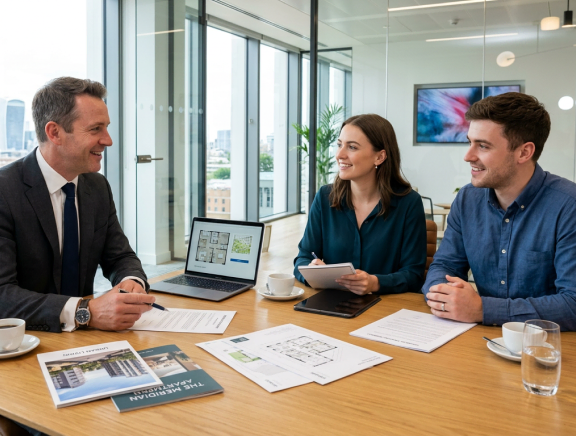

What Is a Conveyancer?

*Based on real prices from thousands of Konnect You users.
Tell us about what you need, then connect with conveyancing companies matched to your move.
Find conveyancers
We’ve helped over 2 million people across the UK find trusted conveyancing companies, with users saving up to 70% on conveyancing costs.

Every conveyancer is checked and regulated, so the legal side of your move is in safe hands from the start.

Tell us your details, and we’ll match you with companies that fit your needs, not just your postcode.

Read reviews from verified customers, check profiles, and get a clearer feel for each company before you choose.

"Really great service from premium property lawyers through my home conveyancing."
Sian
Verified customer
"Muve were standout professionals, offering clear guidance, invaluable help, and consistent support. "
Mark
Verified customer
"The service was great and on time."
Feyisanmi
Verified customer
"Good value and communication throughout the process."
Frank
Verified customer
"Very good and efficient. Good value."
Basat
Verified customer
"Natalie has been very helpful throughout the process. Quick to respond and no lawyer speak."
Rhiannon
Verified customer
"Efficient and reasonably priced."
Tessa
Verified customer
The Right to Buy scheme allows eligible council and housing association tenants to purchase their homes at a discounted price.
The amount of discount you receive depends on how long you have lived in your home, the property's current market value and the type of property. You must be a secure tenant, and the property must be your only or main home.
If you decide to take advantage of the scheme, we highly recommend hiring a solicitor. All solicitors can handle Right to Buy cases, but choosing a solicitor with prior experience can streamline the process.
The Right to Acquire scheme works similarly for housing association tenants, with smaller discounts typically ranging from £9,000 to £16,000 depending on location.
You're likely to be eligible if:
The discount depends on how long you've been a tenant, starting at 35% for houses or 50% for flats, increasing by 1% for each additional year as a tenant, up to a maximum of 70%.
However, your total savings are capped at a maximum cash amount, ranging from £16,000 to £38,000 depending on your location.
Buying your council house via the Right to Buy scheme requires the following steps:
Complete the Right to Buy application form (RTB1 notice) and send to your landlord (local council) They respond with a yes or no (via an RTB2) within 4 weeks of receiving your application (8 weeks if they have been your landlord for less than 3 years) If they have agreed to sell, they will send you an offer (Section 125 notice) within 8 weeks or 12 weeks if the property is leasehold.
You have 12 weeks to respond to the offer by accepting, declining or asking for an independent valuation if you feel the price is too high. From here, the process mirrors regular house buying, including a mortgage application, conveyancing searches and legal work.
The Section 125 notice is a formal offer from the landlord (usually the local council). It will provide you with all the details you need to make an informed decision about the property purchase. This includes:
The sale price Amount of discount An estimate of service charges and improvement costs details of any structural defects terms and conditions of the sale
If you sell your Right to Buy property within 5 years, you may have to repay some or all of your discount on a sliding scale, starting at 100% in year one and reducing by 20% each year.
You must also offer the property back to your council or a social landlord at market value if you sell within 10 years. A solicitor will explain these rules in detail and ensure you understand the financial implications before you commit to buying.
You are not legally required to use a solicitor for a Right to Buy purchase, but it is strongly recommended. The process involves reviewing your Section 125 Notice, checking for any charges or restrictions on the property, and meeting strict council deadlines.
A specialist Right to Buy solicitor will handle the legal paperwork, flag any issues with the lease or title, and make sure you don't miss the 12-week response window. Given the complexity and the amount of money involved, most buyers find a solicitor essential.
Answers to common questions about finding and choosing the best Right to Buy Solicitor.
1. Look for Right to Buy Experience
Start by looking for solicitors who specialise in, or have previous experience with, Right to Buy cases. Check their website for dedicated Right to Buy services or relevant case studies, and ask directly about their experience with council property purchases. Where possible, request references from recent Right to Buy customers.
2. Know How They Charge to Avoid Surprise Costs
Fixed-fee solicitors charge a set amount regardless of how long your case takes, while hourly-rate solicitors charge based on the time spent on your case, which can increase if delays occur. Always ask for a full breakdown of costs, including legal fees and third-party costs, also known as disbursements.
3. Decide Whether Local or Online Works Best
Local solicitors can offer face-to-face meetings for extra reassurance, while online conveyancers often provide 24/7 access to updates through digital portals.
4. Check Their Availability Before You Choose
Ask about their current workload and typical completion times, and confirm they can start as soon as your offer is accepted. Check how they’ll communicate with you and whether they’ll provide regular updates. Make sure they understand the urgency of Right to Buy deadlines and are familiar with council processes.
Right to Buy solicitor fees average £1,518* for a freehold and £1,844* for a leasehold, based on a property value of £292,000*. Some solicitors add a Right to Buy supplement fee of around £200.
Leasehold purchases tend to cost more because of the additional legal checks and paperwork involved. Always request a full fee breakdown before instructing a solicitor, separating legal fees from third-party costs (disbursements), so you can compare like for like.
*Based on the average service costs for Konnect You users. See how our data works.
The process has two stages:
Most buyers require a mortgage as the discount will not cover the full cost of the property. As a result, many banks have mortgage products designed specifically for Right to Buy purchases.
If you disagree with the decision, you can appeal to the First-Tier Tribunal within 56 days of the decision, which is given in the RTB2 Form.