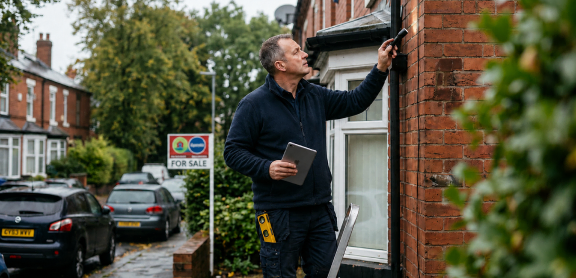
A Structural Survey, formerly called a (Full Structural Survey) is a type of home survey that offers an inspection designed to assess the integrity of a property’s structure, including its foundations, walls, and floors. Whether you're planning major renovations or a previous survey has raised concerns, it helps identify any issues that could impact the property's safety or value.
Structural Surveys provide detailed information specifically on a property’s structural integrity.
In this guide, we detail what’s included in a Structural Survey and when you may need one.
What's Included in a Structural Survey?
Though the exact contents of the report vary depending on the specific issue being investigated, here's what a typical Structural Survey includes:
Inspection of the area(s) of concern (e.g. walls, foundations, floors, roofs, or chimney breasts)
Invasive assessments (meaning they could cause cosmetic damage) if necessary, such as:
Drilling holes to inspect wall structures
Lifting floorboard to examine flooring supports
Technical drawings for larger projects, such as renovations, which building contractors can use when taking over
Comprehensive written report, covering:
Detailed findings of the above inspections
Assessment of the severity and cause of issues
Recommended actions of repairs needed to resolve the issue
The report is designed to help you understand the risks and plan any necessary next steps you feel are necessary.
Due to the invasive nature of a Structural Survey, your engineer may find other issues that were previously not identified. They’ll include all findings in their report and advise on the best course of action, depending on your circumstances.
The most common problems found include:
Asbestos
Damp and ventilation issues
Drainage faults
Japanese knotweed
Roof structure
Structural movement
What If the Engineer Can’t Fully Assess an Issue?
In some cases, the engineer may not be able to assess a structural issue during the initial inspection. If so, they'll recommend a Specific Defect Report, which is an even more granular inspection focused on a single area of concern.
For example, if you're planning an extension and the initial survey reveals a crack in a load-bearing wall, a Specific Defect Report may be needed to investigate the issue in more detail before any work can proceed.
Structural engineers consider a range of factors when providing a quote. Make sure they provide a full breakdown, including whether the cost includes VAT or not.
When choosing your structural engineer, confirm that they are members of the Institution of Structural Engineers (IStructE) or the Institution of Civil Engineers (ICE). This ensures they work to the highest industry standard.
If you require a Level 3 Home Survey, Konnect You can connect you with up to 5 surveyors and save you up to 70% on your house survey cost. Simply fill in our quick surveying form to get connected and find the right company for you.
All our surveying companies have passed our strict verification process. Companies offering Home Surveys must be registered by the Royal Institution of Chartered Surveyors (RICS).